
Scarcity at Sea: What a Cruise Ship Rolex Store Revealed About Brand Strategy
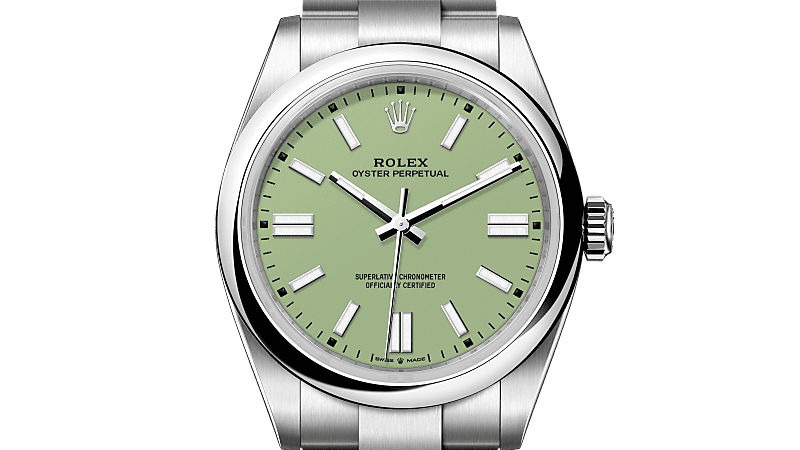
I didn’t walk off my recent Caribbean cruise with a Rolex. But I came close.
On the first day at sea, I stepped into the Rolex boutique onboard and spotted a model I really wanted - the moss green oyster perpetual timepiece. It was there. Available. No waitlist. No dealer relationship required. Just a pristine display case and a knowledgeable associate who treated the moment with quiet confidence.
By day three, it was gone.
Turns out, the store only had one of each model—and once it was sold, that was it. No restock. No backup in the vault. And in that moment, the Rolex scarcity model clicked in a whole new way. Even in this unexpected setting, the brand stayed true to its strategy: limited access, controlled distribution, and high perceived value.
Rolex and the Power of Scarcity
Rolex is a masterclass in manufactured scarcity. Most buyers are familiar with the long lead times, limited dealer allocations, and the sense of earning the right to buy. Whether that’s by building a relationship with an authorized dealer or joining a years-long waitlist, the idea is clear: this isn’t just a watch—it’s access to a club.
Which is why the Rolex boutique on a cruise ship feels so paradoxical. You're surrounded by bingo cards and beach towels, and yet here’s one of the world’s most tightly controlled luxury brands being sold—on the spot.
So what gives?
Access Without Dilution
The answer lies in how Rolex has structured its brand ecosystem. These cruise-based retail experiences aren’t random exceptions—they’re calculated access points that support global expansion without undermining brand equity.
Cruise passengers tend to skew affluent, international, and experience-oriented—exactly the kind of consumer Rolex wants to stay relevant with. But rather than creating a permanent store in every city, Rolex selects high-control, high-touch environments like cruises, airport terminals, and select global hotspots where the brand can maintain its standards and still surprise consumers with availability.
And even in those settings, the scarcity holds. One of each model. No restocks. Once it’s gone, it’s gone. That sense of missed opportunity only reinforces the brand’s mystique.
The Sale Is the Story
What really stood out wasn’t just the ability to purchase. It was how it was sold.
The sales associate didn’t pitch. He educated. He spoke about the heritage of the brand, the craftsmanship behind each model, and the reasons for limited availability elsewhere—not as scarcity theater, but as part of the Rolex philosophy. Every word and gesture reinforced the idea that this wasn’t just a purchase—it was a legacy.
Even on a cruise ship, Rolex knew how to protect its narrative.
What Other Brands Can Learn
Too often, brands confuse exclusivity with inaccessibility. Or worse, they treat every retail channel as interchangeable. Rolex shows that the key isn’t limiting supply for the sake of hype—it’s creating thoughtful entry points, each with its own rules and rituals.
Some takeaways for other brands:
Scarcity is a strategy, not an accident. When done well, it builds desire, loyalty, and long-term value.
Distribution is brand behavior. Where and how your product is available sends a message.
Sales is storytelling. Whether you’re in a flagship store or floating 30 miles off the coast of St. Maarten, every interaction shapes perception.
No, I didn’t buy the Rolex. But I haven’t stopped thinking about it.
That’s the power of a well-managed brand. It doesn’t just sell you something—it creates a moment you carry with you long after the experience.